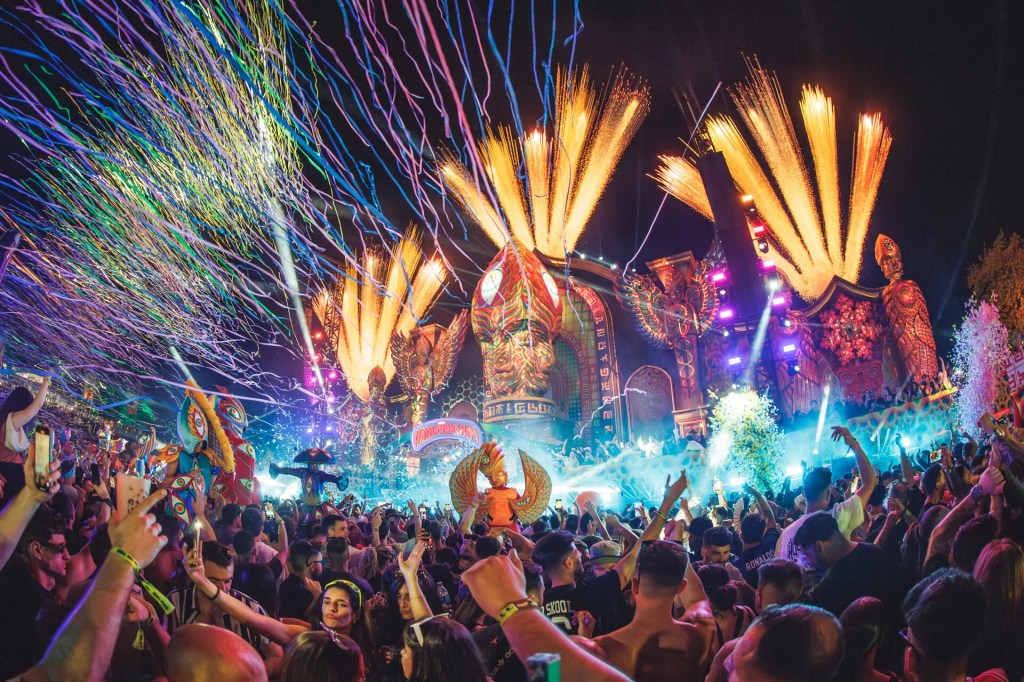
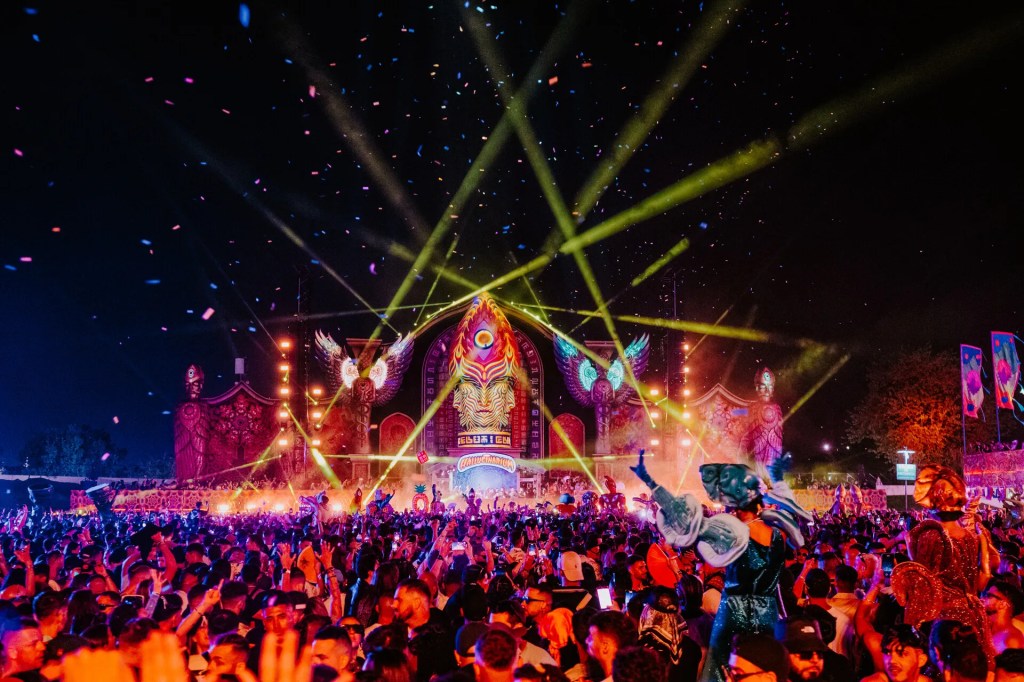
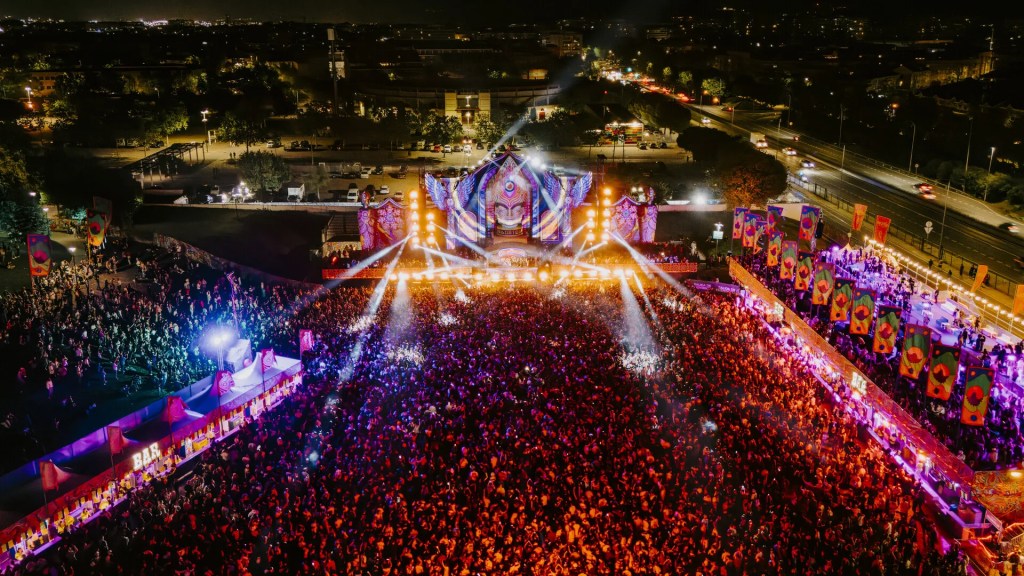
Marbella once again became the epicenter of electronic extravagance on Saturday, August 23rd, as Elrow Town landed at the OMA Fest venue in San Pedro Alcántara. From 4 in the afternoon until well past midnight, the festival delivered its signature explosion of colors, inflatables, confetti, and wild theatrics, turning the Costa del Sol into a surreal playground where house and techno ruled.
The lineup read like a who’s who of global electronic music. Adam Beyer brought the weight of Drumcode with a hypnotic techno session that had the crowd in a trance, while Boris Brejcha, the masked maestro of high-tech minimal, injected his futuristic and melodic edge. Reinier Zonneveld offered one of the most anticipated sets of the night, performing live with pounding beats and modular synth wizardry that made the dancefloor erupt.
Luciano’s tribal grooves and Loco Dice’s rolling rhythms brought that unmistakable underground house flavor, reminding everyone why they’ve been cornerstones of the international scene for decades. Rising stars like Anfisa Letyago showcased her distinctive blend of melodic yet driving techno, while Chelina Manuhutu represented with her infectious tech house energy.
The diversity of sounds stretched across every corner of the venue. From the main stage to the Pink Cathedral hosted by Eden, and the wild Avenida Desperados, each area was a universe of its own. Miguel Bastida and Matroda kept things dark and heavy, while Dom Dolla and Odd Mob b2b Max Styler served irresistible basslines perfect for the Elrow madness. Spanish talents like Bastian Bux, Tini Gessler, and Oscar L reminded the audience that the Iberian Peninsula continues to be a breeding ground for cutting-edge club sounds.
The venue itself played a key role in shaping the experience. The Recinto Ferial de San Pedro Alcántara offered ample space for massive stage productions, immersive decorations, and surreal characters wandering through the crowd. Everywhere you looked, there were bursts of color, floating inflatables, and confetti storms, the kind of theatricality that has made Elrow one of the most recognizable brands in the world.
One of the most striking performances came from Fatima Hajji, who has become one of Spain’s most respected techno warriors. Her set was fierce and relentless, with galloping basslines and hypnotic synths that paid homage to her roots while showing the global reach of her sound. She commanded the decks with passion, and her connection with the Spanish crowd turned her performance into a collective celebration, as always.
Tickets for future Elrow Town editions and other Elrow events can be found at the official website
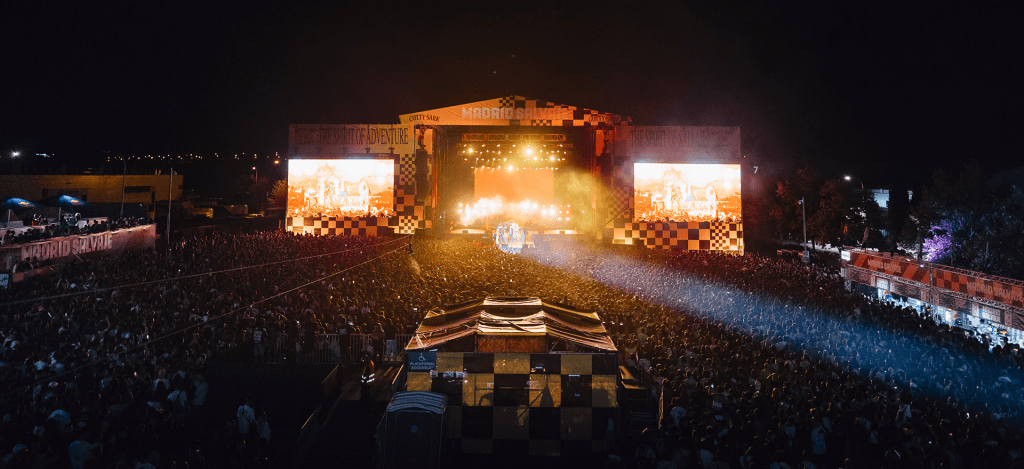
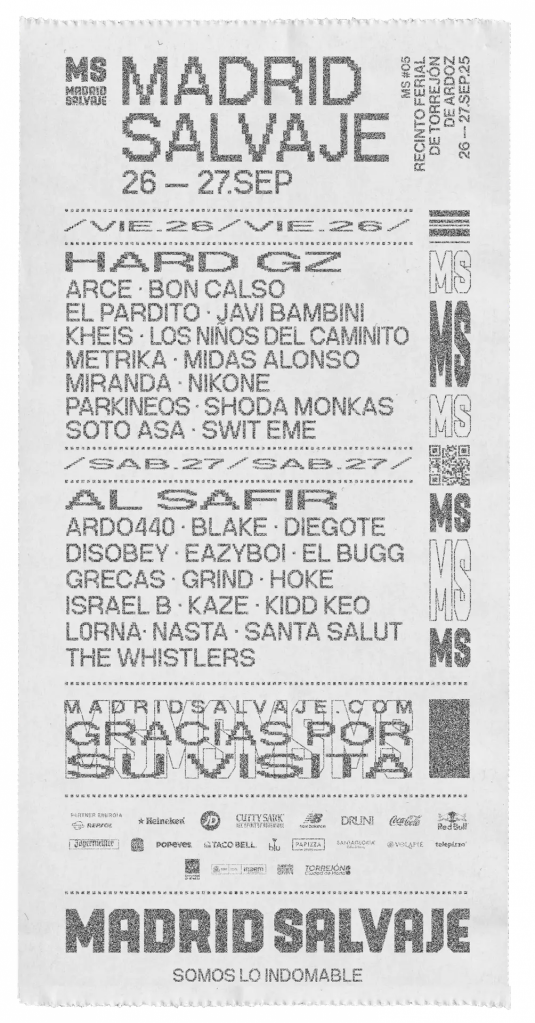
The heart of Madrid Salvaje has always been its lineup, and 2025 feels like the festival’s most complete statement yet. At the top sits Al Safir, whose meteoric rise from Madrid’s barrios to the national stage embodies the festival’s ethos of giving a voice to the new wave of Spanish rap. Alongside him, figures like Sticky M.A. and Hard GZ bring a raw intensity, each with their own street-honed cadence—Sticky’s futuristic trap stylings balancing Hard GZ’s politically charged rhymes. The underground duo Grecas and the ever-inventive Midas Alonso keep the energy experimental, carving out spaces where genre rules bend and break.
But the festival doesn’t stop there. It leans into the hybrid energy of artists like Kidd Keo, who continues to blur the lines between Spanish trap and U.S. influences, and Soto Asa, whose hypnotic reggaetón and trance-tinged flows feel tailor-made for open-air nights by the lake. Blake and Parkineos bring the swagger of street rap, while emerging voices such as Diegote and El Bugg represent the new generation bubbling up with fresh urgency.
Diversity is key, and Madrid Salvaje prides itself on showcasing voices that challenge the mainstream. Santa Salut arrives as one of the few women at the top of Spain’s hip-hop scene, her razor-sharp lyricism carving out feminist and social narratives rarely heard in festival headliners. Acts like Nasta and 3lpardito keep things firmly rooted in hardcore rap traditions, while Kaze and Disobey add layers of emotional grit, bridging the personal with the political. On the fringes, collectives such as The Whistlers and rising names like SWIT EME or Javi Bambini Cattivi promise those chaotic, unpredictable moments that only happen in the margins of a wild festival night.
Together, this roster paints a vivid picture of the Spanish urban sound in 2025: unapologetically diverse, politically alive, and sonically restless. It’s not just a lineup, but a map of where rap, trap, and reggaetón are heading—raw, unfiltered, and ready to explode in the open-air playground of Torrejón de Ardoz.
For those ready to dive into this wild journey, tickets are still available through the official website
On Saturday, July 26, 2025, the Monegros Desert exploded into life, or more aptly, into sound. Over 50,000 ravers from 90 countries converged in the arid plains of Aragón, Spain, for a 22‑hour marathon of electronic music across 13 stages, hosting more than 150 artists.
At the core of this sonic city stood the UNREAL stage, a vast dystopian temple devoted to hard, imposing techno. With its towering LED structures, fog-shrouded runways, and brutalist visuals, it emerged as the most celebrated stage all day in our view. The production felt on another level: powerful sound systems, laser blades cutting through the dust, and visuals perfectly synchronized to the pounding beats.
One of the most explosive highlights came with Pendulum (Live), whose long-awaited return to the Spanish desert was met with sheer delirium. Their drum & bass-driven live show tore through the heat like a storm: pounding breaks, explosive drops, and crowd-igniting riffs that brought raw rave energy back to the main stage. It wasn’t just a set—it was a full-blown spectacle, and one of the most memorable moments of the day.
Meanwhile, Richie Hawtin and Laurent Garnier, two titans of techno history, offered something far more refined yet equally magnetic. Their sets were like sonic essays: meticulously constructed, flowing between minimal landscapes, deep house grooves, and elegant rhythmic progressions. They didn’t need fireworks—just masterful control and decades of craft to hypnotize the crowd.
Andrés Campo, the festival’s hometown hero and emotional core, had multiple appearances throughout the day, but his individual set stood out as a perfect bridge between the festival’s identity and its evolution. Blending powerful, punchy techno with unexpected melodic detours, he injected his trademark charisma and warmth into a space often dominated by cold brutality.
Then came one of the most original additions of this edition: the F2F (Face-to-Face) battles. These DJ duels turned back-to-back sets into adrenaline-fueled showdowns. Adrián Mills vs. Andrés Campo built a set full of tension and swagger, a tug-of-war between rising talent and established force. Blawan vs. SHDW leaned darker, more mental, pushing the crowd into a trance-like state of intensity. Meanwhile, Adam Beyer B2B Ilario Alicante delivered a high-energy, polished performance that contrasted styles with dramatic flair. These confrontations weren’t just gimmicks—they were fully developed musical dialogues, thrilling and unique.
For those seeking something less industrial and more groove-oriented, Seth Troxler, Ben Sims, and Cinthie offered welcome shelter from the sonic assaults elsewhere. Their sets, rich in funk, house, and classic rhythm, served as essential palate cleansers, letting the crowd catch their breath while still dancing. These moments didn’t fight against the Monegros energy—they flowed with it, proving that soul and swing still have a place in the desert’s relentless pace.
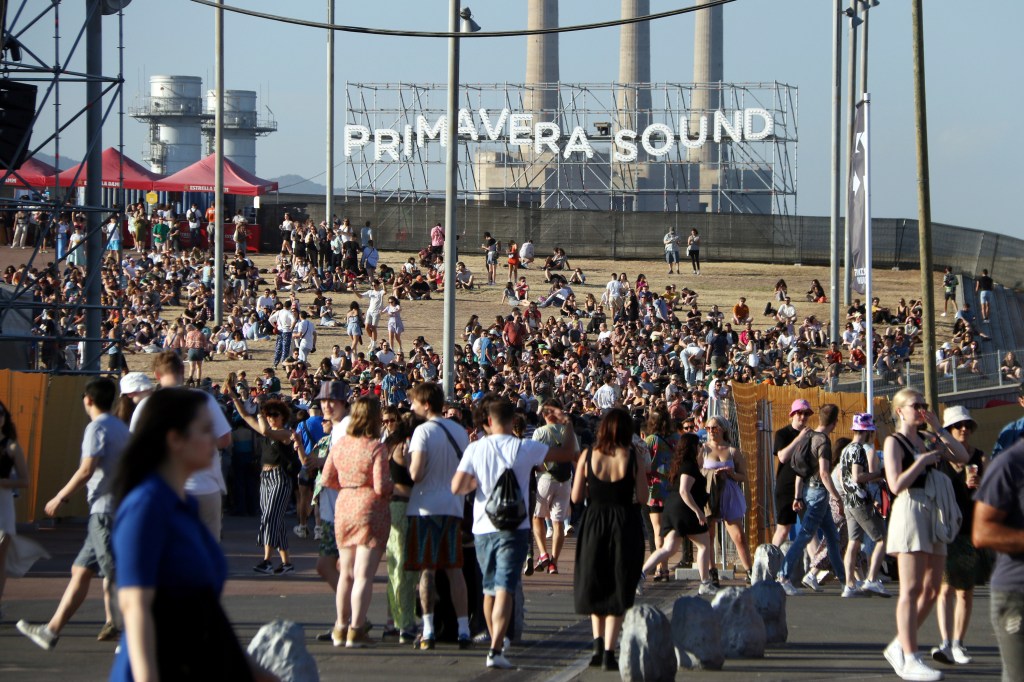
There are moments when a festival doesn’t just happen but becomes something else entirely. Primavera Sound 2025 was not merely a sequence of artists, lights, and logistical feats. It was a living, pulsating, breathing ecosystem of musical discovery, drenched in sweat, smoke, and strobe lights, backed by the sea breeze of Barcelona and the hypnotic glow of Parc del Fòrum. Across five sprawling days, what unfolded felt like an electronic pilgrimage. Beneath the towering solar panels and along concrete paths kissed by salt and beer, techno and ambient, house and breakbeat, collided in a meticulously curated audio tapestry.
The Electronic Heartbeat of the Festival
Primavera has always made room for dance music, but this year, it felt like electronic music took on a more central, even curatorial, role in the narrative of the festival. Nestled between the larger live acts on the main stages and the indie darlings of past editions, the electronic offerings this year were a carefully woven constellation of club culture’s past, present, and future.
The Dice Stage by Night, located just behind the Forum’s great esplanade, became a sanctuary for nocturnal ravers and genre-shifters alike. It was here that Ben Böhmer returned for another iconic sunset set. Floating between progressive house and melodic techno, the German producer transformed the marina backdrop into a cinematic dreamscape. This wasn’t his first time at Primavera, but it may have been his most emotionally resonant. His set, which included live elements and unreleased edits, ebbed and flowed like the tide just meters away from the crowd.
Later, the temperature dipped but the BPMs rose. Amelie Lens took over with her usual ferocity, delivering a relentless barrage of industrial-leaning techno to a sea of locked-in bodies. The Belgian DJ, no stranger to this festival, has long cemented herself as a purveyor of darkness and tension. This time, though, there was an edge of euphoria in her selections, blending mind-bending loops with subtly ecstatic breakdowns. Each drop was met with primal roars and synchronized strobes, pulling the crowd deeper into her vortex.
From Global Icons to Cult Favorites
On the Boiler Room-hosted Night Pro platform, tucked into the more intimate corners of the venue, TSHA delivered one of the weekend’s most infectious performances. Blending breakbeat with UK bass, garage, and emotional house, her set felt like a love letter to London’s underground — a refreshing pivot from the 4×4 dominance elsewhere. TSHA’s rise has been meteoric over the past few years, but this Primavera appearance showed maturity and risk-taking. Her transitions were fluid, her energy contagious, and her track choices laced with soul.
One of the weekend’s most anticipated acts was HAAi, the Australian selector whose psychedelic techno and bass-heavy sets have carved her a unique spot in the global scene. She closed the Friday night slot at the Warehouse stage, a brutalist playground of raw concrete and cavernous acoustics. There, she oscillated between rave nostalgia and futuristic rhythms, dropping acid-tinged grooves and IDM textures with the confidence of someone who knows she’s playing to connoisseurs.
The Stages, the Spaces, the Stories
Parc del Fòrum once again proved its versatility as a festival venue. The sheer scale of the site, with its coastal perch and tiered architecture, gave each stage a distinct identity. The X by CUPRA Stage, for example, leaned heavily into audiovisual experiences. There, artists like Max Cooper transformed data into soundscapes, performing a hybrid live set that was more installation than DJ set. His visuals melted into the concrete walls, while the crowd stood motionless, entranced, eyes wide, jaws slightly open. It was techno for the mind, not just the body.
Meanwhile, the Brunch Electronik takeover on Sunday brought a lighter, more playful mood. Laurent Garnier, the French legend, served up a three-hour voyage that reminded everyone why he remains such an enduring figure. Seamlessly moving from deep house to tribal techno to old-school electro, Garnier’s set was both a history lesson and a celebration. The crowd, a mix of veterans and newcomers, danced under the afternoon sun, grinning, hugging, living.
And then, of course, there was The Blessed Madonna. Performing a closing b2b with Honey Dijon at the Dice Stage, the duo created one of the most joyous moments of the entire festival. Their set was defiant, queer, bold, full of edits, vocals, and raw emotion. From disco to hard house, from gospel-infused breakdowns to warehouse stompers, it felt like a release — a final act of catharsis before the music faded into memory.
Final Notes in the Afterglow
What makes Primavera Sound such a singular experience is how effortlessly it bridges worlds. You can sway to the whispered poetry of indie bands in one moment and then lose your mind to peak-hour techno the next. The 2025 edition embraced this duality more than ever, treating its electronic acts not as sideshows but as centerpieces.
The crowd, as always, was international, expressive, and deeply knowledgeable. Conversations drifted from Discogs finds to Berlin club politics, from festival wristband designs to which obscure DJ had the best transition of the weekend. There were moments of pure hedonism, yes, but also moments of shared awe and quiet reverence. Primavera still knows how to surprise, to enchant, to elevate.
As I walked away from the final stage, ears ringing and mind swirling, I felt it again — that electric aftertaste of something real. Primavera Sound 2025 didn’t just deliver music. It offered a window into the vast, genreless future of sound. And for five nights, we danced inside it.
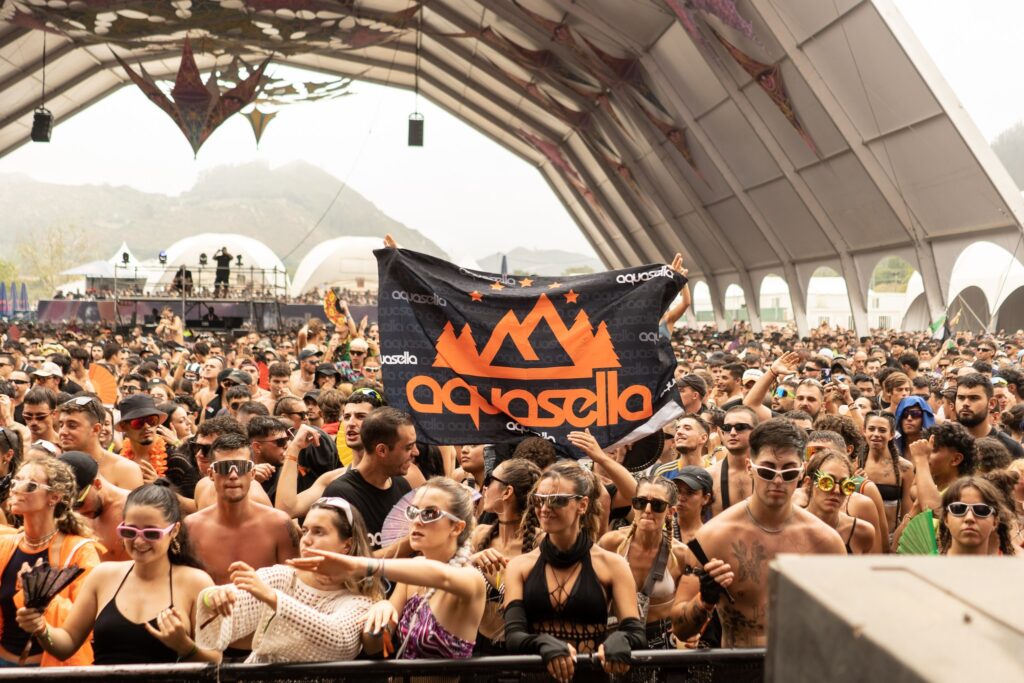
There’s a certain electricity in the air as you approach Arriondas. It hums low under the rolling hills of Asturias, vibrates across the tall grasses, and echoes softly off the nearby mountains. That hum? It’s the sound of Aquasella awakening again.
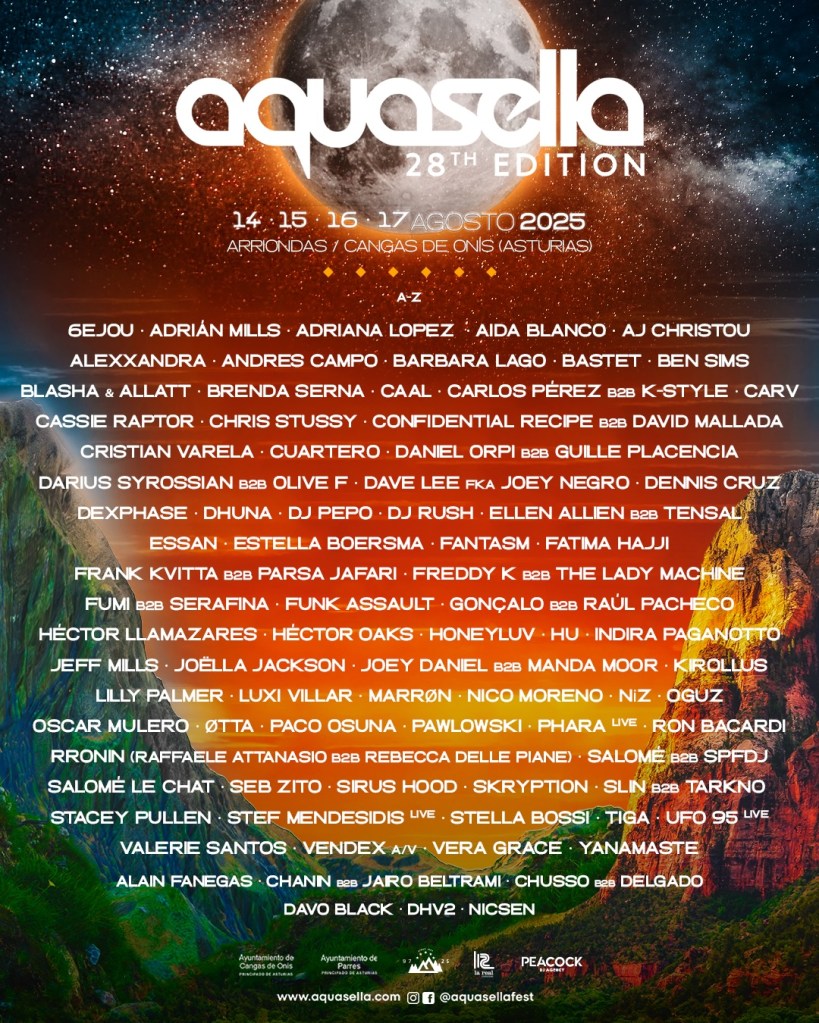
From August 14th to 17th, 2025, this sleepy green enclave in northern Spain will host one of the most respected—and beloved—electronic music festivals in Europe. But make no mistake: this isn’t just another techno gathering. Aquasella is a ritual, rooted in nature, community, and sound systems that shake the soul.
A Lineup That Bends Space and Time
Aquasella’s reputation didn’t build itself—it was forged across decades of carefully curated lineups that blend the foundations of techno with its most incendiary evolutions. And 2025 is no exception.
This year’s programming reads like a pilgrimage map for beat disciples: Jeff Mills brings his cosmic precision and Detroit legacy; Ben Sims returns with his raw, high-octane groove work; DJ Rush, the hardtechno preacher, is ready to tear the earth open again.
The festival also dives deep into fresh chemistry: Freddy K b2b The Lady Machine, a pairing as sharp as it is sensual. SPFDJ b2b SALOMÉ, expected to deliver a set as unhinged as it is unforgettable. Adriana López, Stacey Pullen, Rebekah, Joey Negro, and many others complete a weekend that promises everything from hypnotic minimalism to warehouse-era chaos.
Where Nature Is the Main Stage
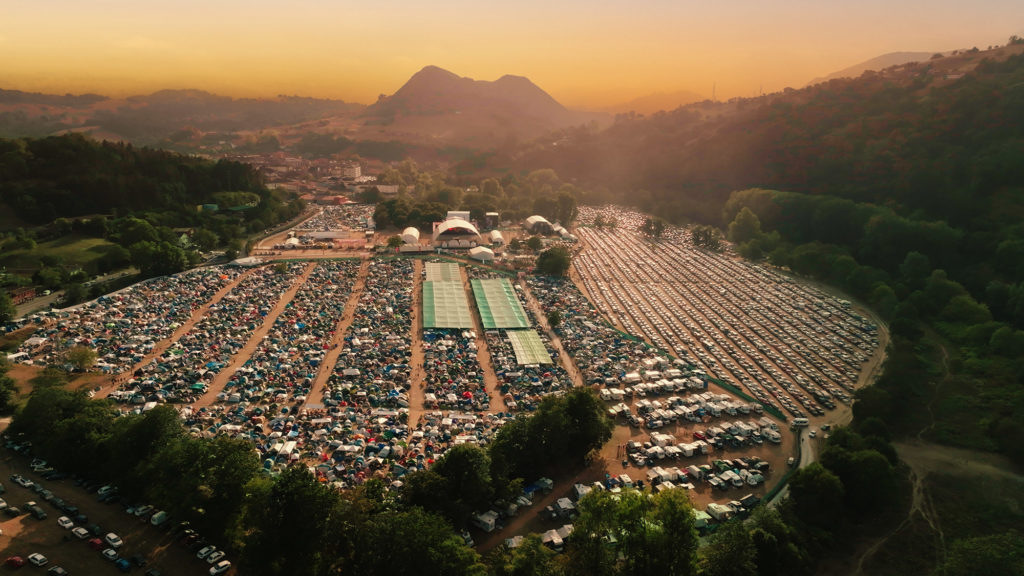
One of Aquasella’s most unique powers lies not in its artists, but in its setting. The festival doesn’t take place in a concrete lot or a soulless enclosure—it breathes in a meadow. The locals call it el prau, a lush open field tucked between the Sella River and the surrounding hills of Cangas de Onís.
Each morning, mist curls around tents like a waking serpent. In the afternoon, ravers lounge by the riverbanks, cooling their limbs and their minds in crisp mountain water. And at night? The forest watches silently as the air turns electric, beats punch the ground, and light rigs turn treetops into disco cathedrals.
This isn’t just a festival you attend—it’s one you live inside.
The Camp Life: Chaos in Community
Camping at Aquasella is part survival, part ceremony. You arrive thinking you’ll pitch your tent neatly. Within hours, your gear is muddy, your neighbors are offering you sidra, and someone three rows down has set up a full DJ booth next to a grill.
Everyone, from first-timers to returning warriors, knows that the real festival begins in the campsite. It’s where friendships are born, lovers meet, and after-hours sets blur into sunrise conversations. Expect to lose your voice, your schedule, and maybe your sandals—but find your people.
Sound That Stays With You
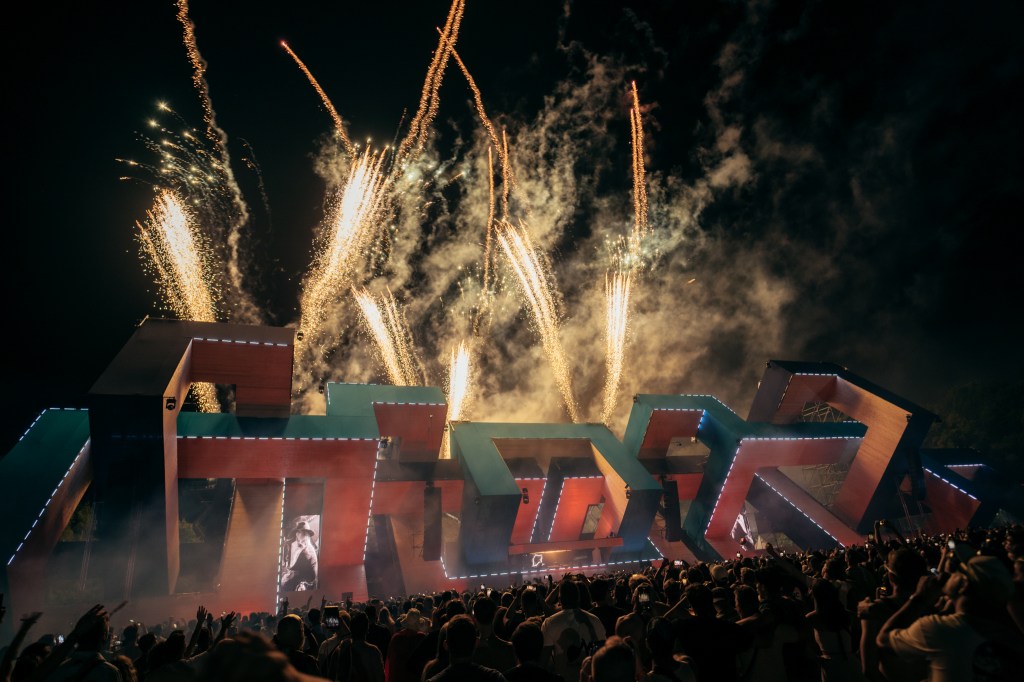
Aquasella’s sound design continues to impress. Every stage is crafted to suit its sonic mission: the Open Air stage delivers grand, cinematic techno; the La Real stage feels like a bunker club from Berlin airlifted into the Spanish countryside; and hidden corners pulse with surprises—ambient sets, vinyl-only sessions, spontaneous B2Bs.
This isn’t a place of passive listening. It’s a space for full-body absorption. You feel each kick drum in your ribs. You watch lasers carve into fog. You dance in dirt, shoulder to shoulder with strangers who—within a few tracks—feel like family.
Looking Ahead: Are You Coming?
Aquasella 2025 isn’t something you read about. It’s something you answer. The call is already out, and the prau is waiting. Tickets are on sale, and they’re moving fast. Whether you’re a lover of blistering techno, silky house, or that undefinable energy that exists between trees and subwoofers, this is the place to be.
Every summer, there’s a moment—usually around late June when the basslines start to echo across the green fields of Spaarnwoude, and you just know: Awakenings is near. For thousands of techno lovers, it’s more than a date on the calendar. It’s a ritual. A reunion. A rush.
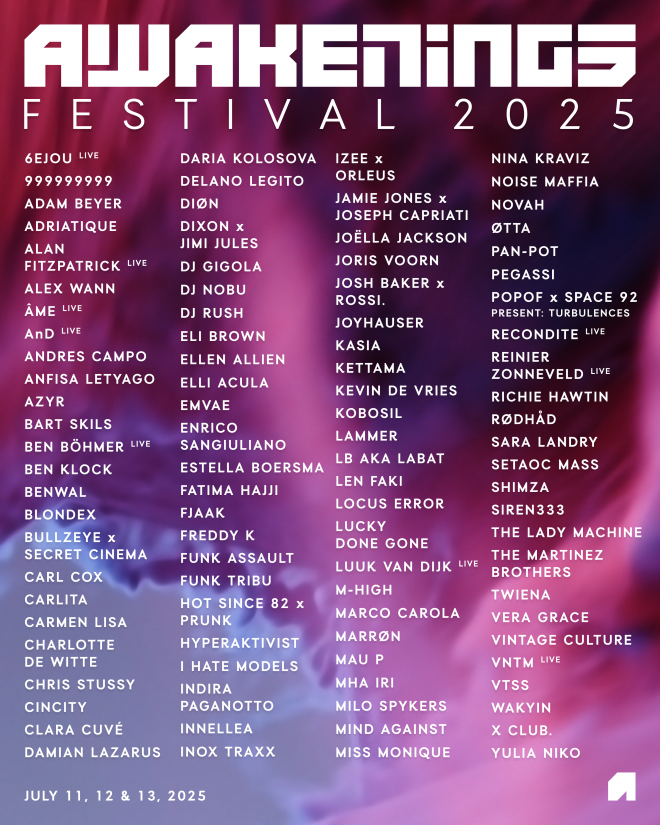
Awakenings Festival returns on June 28 & 29, 2025, and with it comes that unmistakable blend of pounding kick drums, smiling strangers, and endless energy under the Dutch sky. After 25 years of shaping the sound of the scene, this edition feels both like a celebration of its roots and a leap into the future.
A Lineup That Speaks in Frequencies
Let’s talk about the music because that’s why we go. The 2025 lineup is stacked, as always, with a perfect mix of legends, rebels, and rising stars. Amelie Lens is back (when isn’t she?), bringing her signature steamroller sets that somehow manage to feel both massive and intimate. Jeff Mills, the Wizard himself, is set to deliver another interstellar journey—expect machine soul and outer space minimalism.
And of course, Adam Beyer returns to his spiritual home. His Drumcode sets on the Awakenings mainstage have become a tradition of their own—like techno Christmas, but sweatier.
Dig a little deeper and you’ll find stages dedicated to more experimental corners of the genre. Richie Hawtin, Clara Cuvé, and Kobosil will dive deep into raw, industrial terrain, crafting sets made for strobe-drenched warehouses even when played under the summer sun. If you prefer melodies with your 4/4, Ben Böhmer and Mind Against are your ticket to euphoric breakdowns and wide-open emotional highs.
We’re also watching new names break through the smoke: Ellen Alien brings high-BPM flashbacks to the rave glory days, and I Hate Models returns with his genre-melting sound, a chaotic blend of techno, electro, and emotional aggression that hits harder than ever.
Spaarnwoude: Nature Meets Noise
There’s something poetic about dancing to industrial-strength techno surrounded by trees and grass. The Spaarnwoude site, just a short ride from Amsterdam, has become synonymous with Awakenings, a perfect canvas where nature and technology collide.
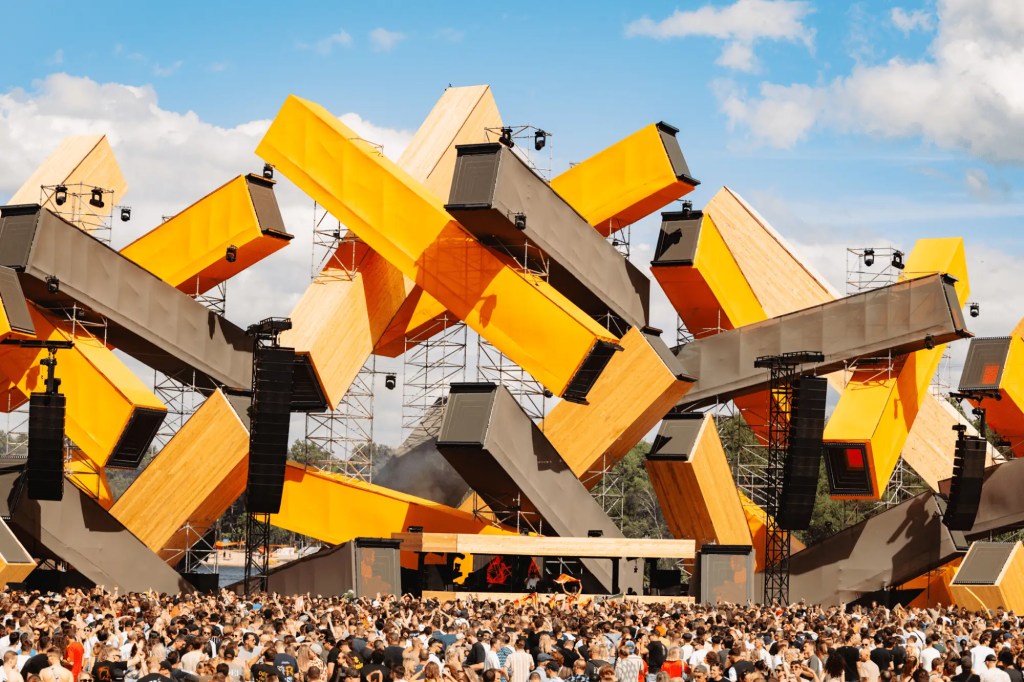
Expect massive LED towers, pyrotechnic bursts, laser storms, and teh best sound systems that make every hi-hat shimmer and every bass drop feel like it’s rewiring your brain. But there’s also space to breathe: cozy hideaways, shaded chill zones, open-air art installations, and food trucks that cater to everything from greasy cravings to clean, plant-based fuel.
This contrast—between intensity and serenity, chaos and calm—is what makes Awakenings more than a festival. It’s a fully embodied experience. A place where you can lose yourself in the music, and somehow find a part of yourself in the process.
Tickets
If you’re thinking about going, don’t hesitate. Tickets are moving fast, and once they’re gone, they’re gone. You can still grab yours at awakenings.com/festival — with options for weekend passes, single-day adventures, and VIP upgrades for those who want a little extra comfort with their kicks.
Awakenings Festival 2025 is a homecoming for the global techno community. Whether you come alone or with your full crew, whether it’s your tenth time or your very first, one thing’s for sure: once the music starts, and you feel that first wave of bass roll through your chest, you’ll remember exactly why you came.









 LIVEGROOVES